

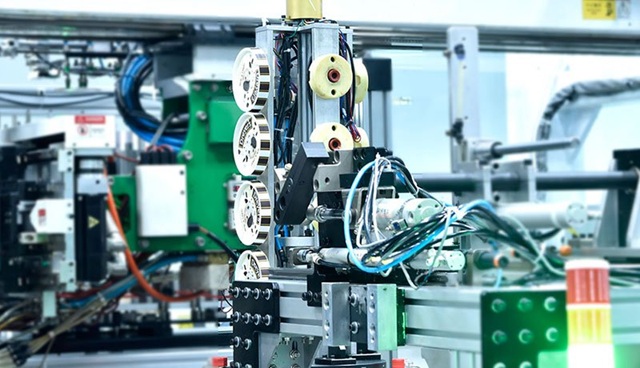
Plastic molding injection companies serve as critical partners for businesses across countless industries, delivering the components that keep production lines running and products reaching consumers. When a medical device manufacturer needs sterile, precise parts or an electronics company requires housing for millions of units, these specialists step in with the technical capability and reliability that modern commerce demands. The relationship between a business and its injection moulding partner often determines whether products launch on time, meet quality standards, and achieve profitability targets.
Understanding what separates truly reliable manufacturers from those offering merely adequate service requires looking beneath the surface of glossy brochures and marketing claims. The distinction lies in process discipline, technical depth, and a commitment to partnership that extends well beyond simply fulfilling purchase orders.
The Foundation of Reliability
Reliable part fabrication rests on interconnected elements working in harmony. The most dependable plastic molding injection companies operate with documented procedures that guide daily operations:
- Rigorous machine maintenance schedules preventing unexpected breakdowns
- Comprehensive operator training programmes ensuring consistent execution
- Standardised material handling procedures protecting resin quality
- Multi-stage quality verification processes catching issues early
- Living documentation systems that evolve with process improvements
Singapore’s Plastic molding injection companies have developed particularly robust approaches to reliability, often implementing ISO 9001 quality management systems and industry-specific certifications. According to manufacturing specialists familiar with the region, “consistency in injection moulding doesn’t happen by accident but through deliberate systems and constant vigilance over process variables.”
Material Traceability and Control
One often overlooked aspect of reliable fabrication is material management. Plastic resins are not commodity products where one supplier’s polypropylene performs identically to another’s. Variations in molecular weight, additives, and processing characteristics mean that switching suppliers mid-production can introduce unexpected problems.
Plastic molding injection companies that prioritise reliability maintain rigorous material control systems:
- Full traceability from resin supplier through to finished parts
- Proper storage conditions preventing moisture absorption or degradation
- Regular testing to verify material properties match specifications
- Documented procedures for introducing new material lots into production
- Climate-controlled storage areas for hygroscopic materials
These practices might seem excessive until you consider the consequences of material-related failures. A single batch of contaminated or off-specification resin can result in thousands of defective parts, production delays, and damaged customer relationships.
Process Validation and Documentation
Medical device manufacturers have long understood the importance of process validation, but the principles apply equally across industries where reliability matters. Comprehensive validation by Plastic molding injection companies includes:
- Installation qualification of equipment
- Operational qualification of processes
- Performance qualification across multiple production runs
- Documented evidence of consistent specification compliance
This provides confidence that processes will perform reliably when scaled to full production volumes, not just during initial sample runs.
Mould Design and Maintenance
The moulds themselves represent a crucial reliability factor often underestimated by those new to injection moulding. A poorly designed or inadequately maintained mould introduces variability that no amount of process control can fully overcome. Experienced plastic molding injection companies invest substantially in mould design expertise and preventive maintenance programmes.
Critical design considerations include:
- Cooling channel layout for uniform part cooling
- Venting to prevent gas traps and burn marks
- Gate location and design to minimise flow-related defects
- Ejection systems that release parts without damage or distortion
Maintenance schedules ensure moulds remain in optimal condition throughout their service life. This includes regular cleaning, inspection for wear or damage, and refurbishment before minor issues become major problems. The best facilities maintain detailed service histories for every mould, tracking cycles run, maintenance performed, and any issues encountered.
Quality Systems and Statistical Process Control
Modern facilities employ sophisticated quality systems extending beyond final inspection. Key approaches include:
- Statistical process control monitoring variables in real-time
- Trend identification before out-of-specification parts occur
- Process capability studies quantifying manufacturing consistency
- Proactive defect prevention rather than reactive detection
Facilities sharing process capability data with their clients demonstrate transparency and confidence in their manufacturing abilities.
Communication and Responsiveness
Technical capability means little without effective communication. Reliable plastic molding injection companies establish clear channels for addressing questions, resolving issues, and providing production updates. They understand that clients need visibility into production status, particularly when parts feed into larger assembly operations or just-in-time delivery systems.
When problems arise, responsive facilities:
- Communicate promptly and transparently
- Take ownership rather than deflecting blame
- Focus energy on resolution instead of excuse-making
- Work collaboratively toward solutions
Building Long-Term Partnerships
The relationship between a business and its moulding partner ideally extends across multiple projects and years. Singapore’s plastic molding injection companies often emphasise this partnership approach, viewing client success as intrinsically linked to their own. Industry observers note that “the strongest supplier relationships are built on mutual respect, transparent communication, and shared commitment to quality.”
These partnerships evolve beyond transactional exchanges into collaborative relationships where manufacturers contribute design insights, suggest process improvements, and invest in understanding their clients’ broader business objectives. Such relationships create value that extends far beyond individual components.
Conclusion
Selecting a manufacturing partner for plastic component fabrication represents a strategic decision with lasting implications for product quality, production costs, and market success. The most reliable facilities combine technical excellence with systematic approaches to quality, transparency in communication, and genuine commitment to client success. Plastic molding injection companies that embody these qualities become invaluable allies in navigating the complexities of modern manufacturing and bringing products to market with confidence.