

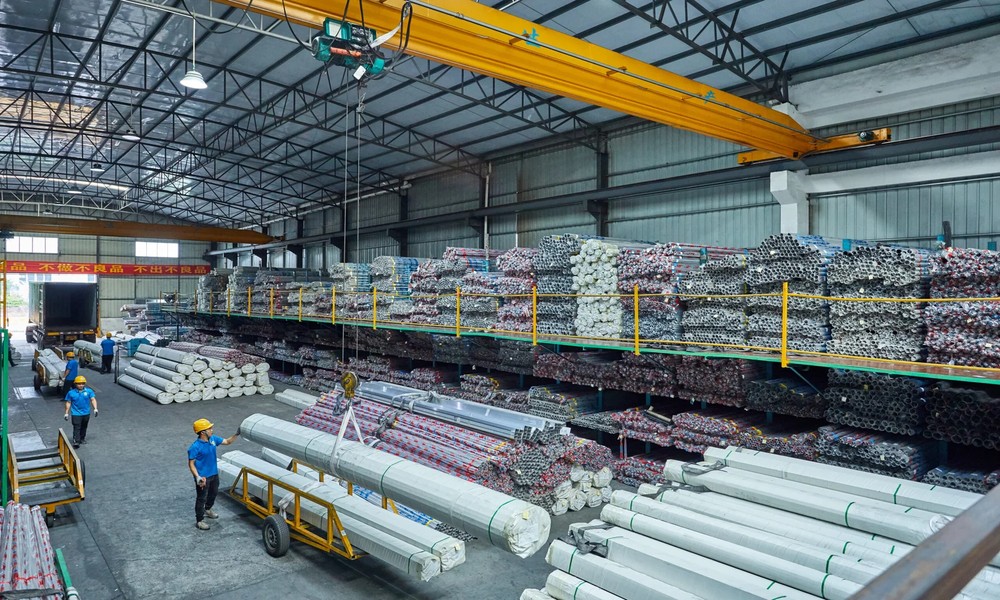
In an industry where time truly is money, the logistics of transporting pipe and steel can make or break even the most meticulously planned projects. Every delay ripples through the workflow, pushing back completion dates and swelling costs. The key to staying ahead? Mastering the art and science behind moving these vital materials with speed and precision.
The Challenges of Pipe and Steel Logistics
Common Obstacles in Transportation and Handling
The sheer weight and size of pipes and steel beams complicate every stage of logistics. Oversized loads require special permits, experienced drivers, and unique handling equipment. Weather, road closures, and fluctuating fuel costs can disrupt well-laid transportation plans in an instant. On-site, improper storage or rushed unloading can lead to costly damage or even safety hazards.
Impact of Delays and Errors on Project Timelines
One late shipment can set off a domino effect across an entire project. Missed deadlines force crews to wait for materials, idle machinery, and reschedule labor. In sectors like construction and energy, these delays can result in stiff penalties or lost contracts. Worse, errors in delivery, such as the wrong size of pipe, missing components, or damaged goods, may require lengthy reordering cycles.
Cost Implications of Inefficient Logistics
Beyond the obvious costs of shipping and storage, inefficiencies quietly erode profitability. Idle assets, rush order surcharges, and reactive problem-solving all add up. Over time, organizations with weak logistics lose their competitive edge to those who streamline every mile and minute.
Innovative Solutions in Pipe and Steel Logistics
Advanced Inventory and Tracking Systems
Digital tracking has revolutionized the movement of heavy industrial materials. With barcoding, RFID tags, and real-time inventory software, companies now monitor every piece of pipe and steel as it moves from supplier to job site. This visibility eliminates guesswork and drives smarter decisions about scheduling, storage, and ordering.
Optimized Routing and Transportation Methods
Route optimization software factors in distance, traffic, load limits, and weather conditions to recommend the fastest and safest path. Multimodal shipping, combining trucks, trains, and even barges, can lower costs and speed up delivery. By matching the mode of transport to the specific needs of each load, logistics managers can minimize delays and keep materials moving.
Safety Protocols to Minimize Damage and Loss
Rigorous safety protocols protect high-value materials from theft, loss, or damage. Securing loads correctly, training staff on proper handling techniques, and using protective wrappings can prevent costly mistakes. Regular audits ensure that safety practices evolve alongside new risks.
Technology’s Role in Enhancing Logistics Efficiency
Automation and Digital Tools for Real-Time Monitoring
Automation has taken much of the manual work out of tracking, scheduling, and inventory management. Digital dashboards now provide real-time updates on shipment status, warehouse stock, and pending orders. This data-centric approach allows logistics teams to anticipate bottlenecks before they escalate into full-blown problems.
Integration of Supply Chain Management Software
End-to-end supply chain platforms connect suppliers, carriers, and customers. Automated alerts notify stakeholders of changes, while integrated documentation speeds up customs and compliance procedures. These platforms provide a centralized source of truth, reducing miscommunication and manual errors.
Case Studies: Successful Implementations
Companies that have embraced technology are reaping tangible rewards. After integrating a real-time inventory system, one mid-sized steel supplier reduced order errors by 30 percent and cut average delivery times by 20 percent. Another firm’s use of route optimization software slashed fuel expenses by 15 percent while improving on-time delivery rates.
Streamlining Communication and Coordination
Building Strong Supplier and Carrier Relationships
Trust and reliability form the backbone of effective logistics. Building long-term partnerships ensures priority service and flexibility during peak periods. Regular communication with suppliers and carriers helps quickly resolve issues and adapt to changing project needs.
Effective Internal Communication Strategies
Clear communication between field teams, warehouse staff, and logistics managers prevents small issues from snowballing. Simple tools, group chats, shared dashboards, daily check-ins, keep everyone aligned and proactive.
Leveraging Customer Feedback for Continuous Improvement
Listening to customers and end-users can reveal pain points and areas for growth. Whether it is feedback on delivery accuracy, condition of goods, or responsiveness to questions, these insights should drive continuous improvement initiatives.
Practical Steps to Implement Efficient Logistics
Assessing Current Logistics Processes
Begin by mapping out existing workflows, from ordering to delivery. Identify recurring bottlenecks, costly mistakes, and communication gaps.
Training and Empowering Your Team
Equipment and software can only take you so far. Invest in regular training on safety, new technologies, and best practices to ensure your team operates at peak efficiency.
Selecting the Right Partners and Technologies
Not all suppliers or systems are created equal. Choose those with a track record of reliability and innovation. For organizations seeking trusted expertise, firms like pipe and steel are valuable resources for both supply and logistical guidance.
Measuring Success and Continual Improvement
Key Performance Indicators for Logistics
Track metrics such as on-time delivery rates, cost per shipment, inventory turnover, and instances of damage or loss. These indicators spotlight both strengths and weaknesses.
Regular Audits and Feedback Loops
Schedule regular reviews of logistics processes, involving feedback from all stakeholders. This commitment uncovers hidden problems and fosters a culture of accountability.
Adapting to Market Changes and Innovations
The logistics landscape evolves constantly. Staying alert to new regulations, fuel price shifts, and technological advancements ensures your company remains agile and resilient.
Mastering pipe and steel logistics is not just about moving material from point A to point B. It is a relentless pursuit of efficiency, safety, and adaptability, qualities that separate the leaders from the laggards in a demanding industry.