

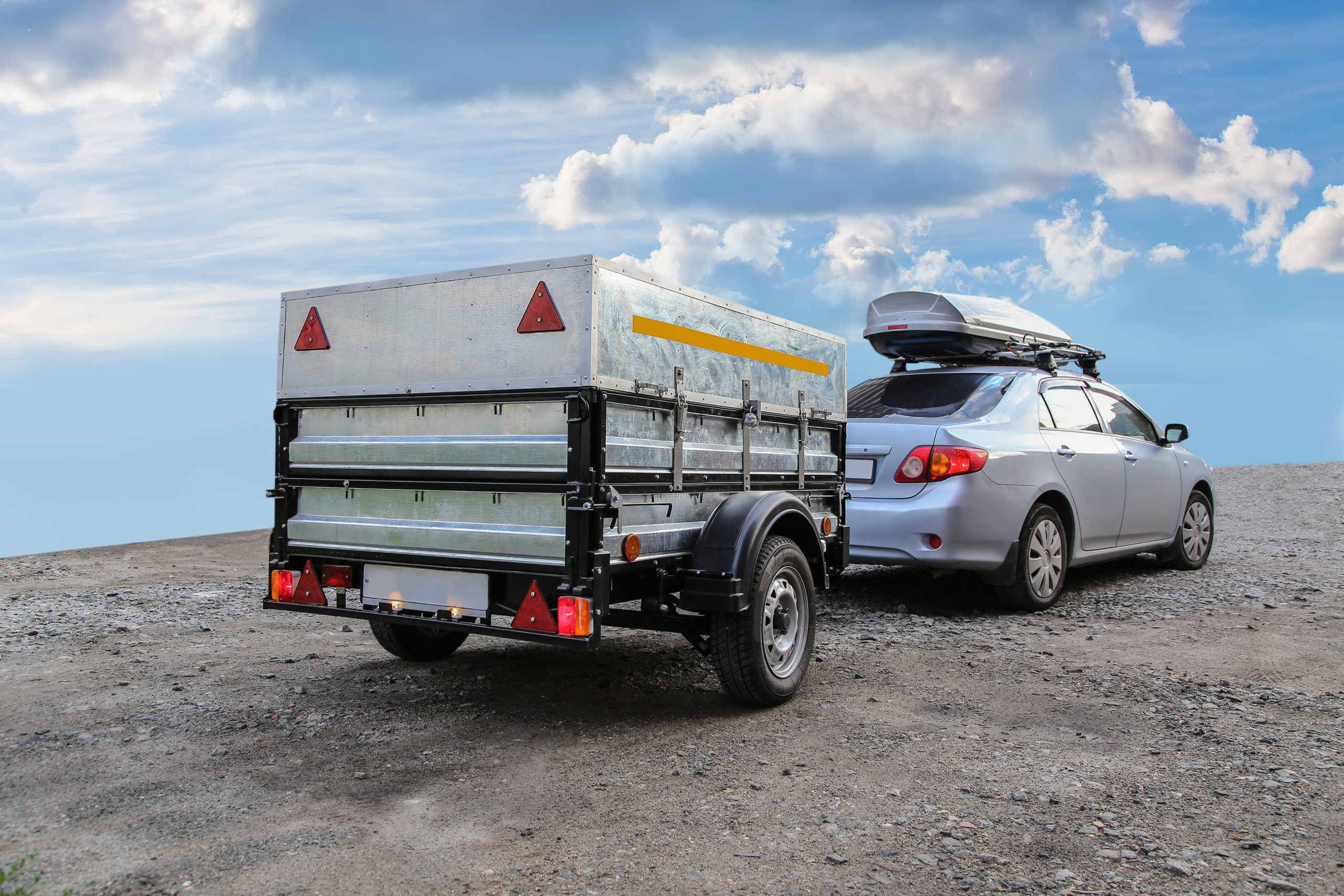
Whether you’re hauling equipment, moving vehicles, or transporting materials, selecting the right trailer is essential for safety, efficiency, and long-term satisfaction. With so many types, sizes, and features available, it can be challenging to know which trailer best fits your needs. Understanding the key factors before making a purchase ensures that you invest in a trailer that performs well and lasts for years.
1. Determine the Purpose of Your Trailer
Before making any decision, clearly define what you’ll use the trailer for. This affects the type, size, and features you’ll need.
Common trailer uses include:
- Hauling equipment: Construction or landscaping tools require heavy-duty trailers with strong ramps and tie-down points.
- Transporting vehicles: Car haulers or enclosed trailers protect vehicles during transport.
- Moving materials: Dump trailers or utility trailers are ideal for hauling gravel, mulch, or debris.
- Recreational use: ATV, motorcycle, or boat trailers cater to leisure activities.
Knowing the purpose ensures you select the trailer designed to handle the weight, load, and specific requirements of your tasks.
2. Choose the Right Trailer Type
Trailer types vary widely depending on function. Here are some common options:
- Utility trailers: Open trailers with side rails, ideal for general hauling of equipment or materials.
- Enclosed trailers: Fully covered trailers that protect cargo from weather, theft, or road debris.
- Car haulers: Designed with ramps and tie-downs for transporting vehicles safely.
- Dump trailers: Equipped with hydraulic lifts to unload loose materials easily.
- Flatbed trailers: Open, flat surface for oversized or heavy loads, often used for construction equipment.
Consider how often you’ll use the trailer and the types of loads you’ll carry when selecting a type.
3. Determine the Right Size and Weight Capacity
Choosing the correct size ensures your trailer can handle your cargo safely.
Considerations include:
- Load dimensions: Measure the length, width, and height of the items you plan to haul.
- Weight limits: Check the Gross Vehicle Weight Rating (GVWR) and payload capacity to ensure the trailer can safely carry your load.
- Towing vehicle compatibility: Ensure your vehicle can handle the trailer’s weight, including the cargo.
Selecting the right size reduces the risk of overloading, improves towing stability, and prevents unnecessary wear on both the trailer and your vehicle.
4. Consider Materials and Construction Quality
The materials and build quality of a trailer impact durability, maintenance, and performance.
Common trailer materials:
- Steel: Strong and cost-effective, ideal for heavy loads but prone to rust if not properly coated.
- Aluminum: Lightweight, corrosion-resistant, and easy to tow; often more expensive.
- Wood floors: Provide traction and absorb impact but require regular maintenance.
- Composite floors: Durable and low-maintenance alternative to wood.
Look for trailers with reinforced frames, quality welds, and rust-resistant finishes to ensure longevity.
5. Evaluate Additional Features
The right trailer includes features that improve safety, convenience, and versatility.
Important features to consider:
- Ramps or lift gates: Facilitate loading and unloading, especially for vehicles or heavy equipment.
- Tie-down points: Secure your cargo during transport to prevent shifting or damage.
- Brakes: Electric or hydraulic brakes improve stopping power for heavier loads.
- Lighting and reflectors: Ensure visibility and compliance with local regulations.
- Storage compartments: Handy for tools, straps, or equipment needed on the job.
Features may vary by trailer model, so prioritize those that align with your specific needs.
6. Maintenance and Safety Tips
A well-maintained trailer lasts longer and performs safely under load.
Maintenance checklist:
- Inspect tires for wear and proper inflation.
- Check lights, wiring, and connections before each trip.
- Grease wheel bearings regularly to prevent failure.
- Inspect brakes, ramps, and tie-downs for damage or wear.
- Clean the trailer after use to prevent rust and corrosion.
Regular maintenance not only extends the trailer’s life but also ensures safe and efficient hauling.
7. Budget Considerations
Trailers range widely in price depending on size, materials, and features. Consider both the upfront cost and long-term expenses.
Tips for budgeting:
- Compare similar models for features and quality.
- Factor in maintenance and potential repairs.
- Consider used trailers if on a tight budget, but inspect carefully for damage or wear.
- Balance cost with durability; cheaper options may require more frequent repairs.
Investing in a high-quality trailer often pays off over time due to lower maintenance costs and longer lifespan.
8. Where to Find Expert Guidance
Selecting the right trailer can be overwhelming, especially if you are unfamiliar with trailer types, weight capacities, and local regulations. Professional guidance ensures you choose a trailer that meets your needs safely and efficiently.
For homeowners and business owners seeking quality trailers, Grizzly Trailer Sales provides expert advice, a wide selection of trailers, and support to help customers make informed decisions. Their team can help you match the right trailer to your specific hauling requirements.
Conclusion
Choosing the right trailer involves more than picking the largest or most affordable option. Understanding your hauling needs, selecting the appropriate trailer type, verifying size and weight capacity, evaluating materials and features, and committing to proper maintenance are all critical steps in ensuring a safe and efficient experience.
By taking the time to research and consider these factors, you can invest in a trailer that provides years of reliable service while meeting your specific hauling requirements. Whether for work or recreational use, the right trailer enhances productivity, convenience, and peace of mind.