

Chicago’s home improvement market moves fast, with homeowners expecting seamless digital experiences before they ever pick up the phone. To win more bids, remodelers, roofers, HVAC teams, and specialty contractors need websites that do more than look good—they must convert. This article explores how thoughtful design choices and strategic marketing elevate visibility, trust, and results for local service providers. From mobile-first design and page performance to analytics that inform next steps, we’ll map out what matters now and what’s coming next. With the right strategy and execution—often guided by specialists like Comrade Digital Marketing—home improvement businesses can build a reliable pipeline of leads and repeat customers through search.
Web Design Trends Transforming Chicago’s Home Improvement Market
Design trends that actually move the needle in Chicago aren’t just about aesthetics; they’re about clarity, speed, and credibility. Homeowners want instant proof you can handle their project, and they want it on mobile. That’s why clean navigation, scannable content, and authentic visuals are essential, along with structured calls-to-action that meet users where they are in the decision process. In a city with diverse housing types—from classic bungalows to high-rise condos—visual storytelling needs to demonstrate expertise across property styles and neighborhoods. Pair those visuals with fast loading times, ADA-aware layouts, and trust signals, and you’ll see more quote requests from search and referrals.
Mobile-first layouts that drive calls and quotes
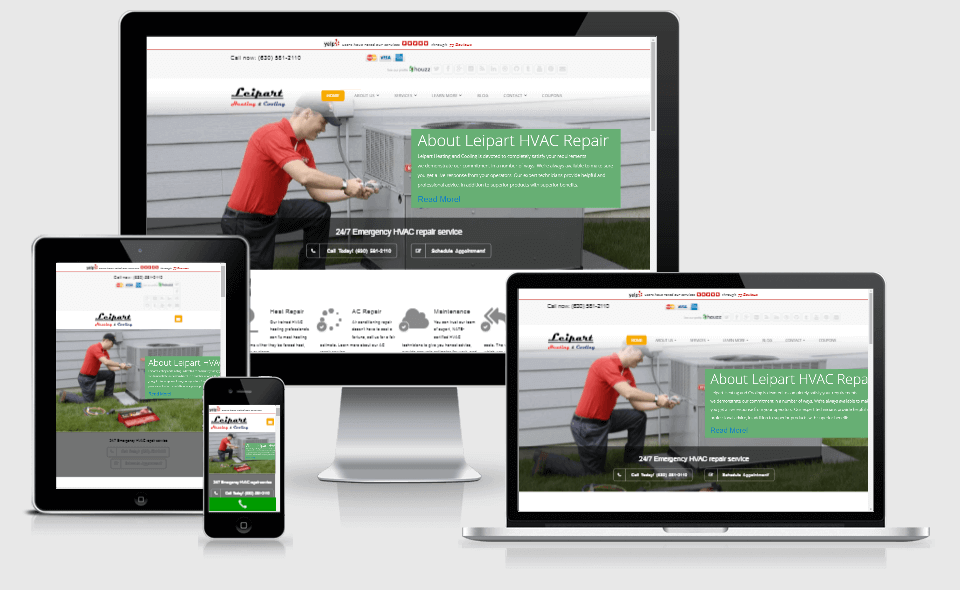
Chicago contractors benefit from layouts that prioritize the top three actions: calling, scheduling an estimate, and viewing proof of work. Sticky headers with a phone icon, click-to-call buttons near hero sections, and self-serve booking options compress the steps from interest to contact. Smart use of color and hierarchy guides the eye from headlines to galleries to CTAs without friction, while microinteractions—like hover states and progress bars—provide subtle feedback. To showcase local relevance, high-quality images and captions that reference neighborhoods or building types help visitors connect the dots. These choices tie design to outcomes in a way that aligns with the best principles of Chicago Digital Marketing, where relevance and speed dictate results.
Improving User Experience Through Interactive Service Pages
Static service pages rarely convince skeptical homeowners; interactive service pages make the difference by clarifying scope, pricing ranges, and processes. Tools like dynamic FAQs, before-and-after sliders, and quick quizzes help site visitors orient themselves and identify the right service tier. Integrating project timelines, warranty details, and materials comparisons deepens trust at the exact moment users are weighing options. When these elements are paired with localized content—permits, weather considerations, or HOA guidelines—your page gains the credibility of a conversation with a knowledgeable consultant. The goal is to reduce uncertainty while creating momentum toward a booking.
Components that reduce friction and lift conversions
The strongest pages blend function with persuasion. Multi-step quote forms that remember inputs, sticky “Get Estimate” buttons, and inline cost explainer modals keep users moving without cognitive overload. Short explainer videos—subtitled for silent autoplay—can increase time-on-page while summarizing complex renovations. Smart sequencing of content matters: lead with benefits and proof, then explain process, then present CTAs that match commitment level. Social proof, such as third-party reviews and badges, should sit near pricing guidance to soften resistance. When these elements are arranged with the same precision used in top-tier Chicago Digital Marketing strategies, the user journey feels intuitive rather than salesy.
Why Core Web Vitals Matter More for Chicago’s Competitive Rankings
In a competitive metro like Chicago, Core Web Vitals are not just technical niceties—they’re a ranking and revenue factor. Google’s emphasis on page experience means that Largest Contentful Paint, Interaction to Next Paint, and Cumulative Layout Shift directly influence how often your pages appear in local results. For home improvement businesses, the stakes are even higher because many potential customers bounce quickly if pages stall or shift while loading. A fast, stable site creates more qualified form fills and phone calls, especially on mobile networks during commuting hours. When site performance is measured and improved consistently, each marketing dollar stretches further.
Practical steps that improve speed and stability
Contractors can achieve meaningful gains by compressing hero images, preloading critical fonts, and deferring nonessential scripts. Serve next-gen image formats, trim sliders that load multiple large assets, and lean on critical CSS to paint the first view faster. On the JavaScript side, reducing third-party trackers and combining tags in a server-side container can cut blocking time dramatically. Hosting choices matter too: a regional edge CDN, reliable caching, and HTTP/2 or HTTP/3 support improve the experience for Chicagoland traffic patterns. Teams like Comrade Digital Marketing often pair these optimizations with routine audits, ensuring changes are validated against both lab and field data before rolling sitewide.
Integrating Content Marketing into Design for Higher Engagement
Content works best when it’s designed to be consumed, referenced, and shared. For local contractors, that means building topic hubs around key services—roof replacement, kitchen remodels, energy-efficient windows—and connecting them with city-specific guides. A content architecture that interlinks articles, service pages, and case studies helps search engines understand topical authority while helping visitors progress naturally through research stages. Design supports this by highlighting content pathways with related links, smart breadcrumbs, and visual cues for “next steps.” When combined with seasonal planning—think winterizing checklists or spring renovation timelines—your content engine builds brand recall across the year.
Design patterns that elevate content performance
Cards, accordions, and scannable layouts let readers dip in and out while still absorbing important points. Pull quotes and stat callouts draw attention to safety certifications, permit expertise, or energy savings, while schema markup supports rich results and higher click-through rates. Thoughtful in-article CTAs invite soft conversions, like downloading a maintenance guide or subscribing to a remodeling checklist, before pushing for a full estimate request. Integrating user-generated content—photos, testimonials, and short reviews—adds authenticity without overwhelming the page. These choices align with how Chicago Digital Marketing is executed at a high level: structure and clarity first, then persuasion, all validated by analytics.
Tracking Visitor Behavior to Enhance Conversion Funnels
The path from landing page to booked estimate isn’t linear, and that’s where analytics become your competitive advantage. GA4 event tracking for taps, scroll depth, video plays, and form progress reveals exactly where attention drops. Heatmaps and session recordings expose friction—missing trust signals, confusing input labels, or CTAs below the fold on popular devices. Integrating call tracking and CRM event syncs ties phone leads back to pages and campaigns, showing which assets actually drive revenue. With a robust measurement plan in place, each design improvement becomes a testable hypothesis rather than a guess.
Metrics that predict revenue and guide priorities
Focus on metrics that connect engagement to outcomes: quote form completion rate by device, click-to-call ratio by page, and time to first interaction on mobile. Track how often visitors engage with price explainers, warranty info, or financing details—these signal buyer intent and highlight where to add clarity. Segment performance by neighborhood or suburb pages to capture hyperlocal demand and allocate budget more intelligently. A/B test hero messaging, CTA language, and testimonial placement to see which elements nudge hesitant users forward. When you report and iterate with the discipline common to Chicago Digital Marketing leaders, the entire funnel becomes more resilient and cost-efficient.
Future-Proofing Websites for Google’s 2025 Algorithm Updates
Preparing for 2025 means building resilience across content quality, entity authority, and privacy-safe measurement. Google continues to emphasize helpful, original content backed by clear expertise—so show the people behind the work, their credentials, and the process that ensures quality. Expect further integration of AI-driven results and stricter evaluation of page experience, spam patterns, and link quality. First-party data collection—email, SMS consent, preference centers—will grow in importance as ad platforms tighten privacy rules. Strengthening technical hygiene with structured data, clean internal linking, and performance budgets will help you maintain visibility even as the SERP evolves.
Action checklist for long-term readiness
Elevate E-E-A-T by publishing detailed project breakdowns, citing building codes or manufacturer specs, and including author bios for technical guides. Expand your entity footprint with consistent citations, media mentions, and partnerships that reinforce brand credibility across the web. Implement schema for services, FAQs, reviews, and videos to improve eligibility for enhanced search features. Invest in performance governance: image guidelines, script budgets, and quarterly audits to keep Core Web Vitals within targets as your site grows. For many home improvement firms, a partner like Comrade Digital Marketing can streamline these initiatives and keep strategy aligned with the realities of search, ensuring your website stays fast, credible, and conversion-focused as algorithms shift.