

Why the U.S. Dollar Sets the Standard
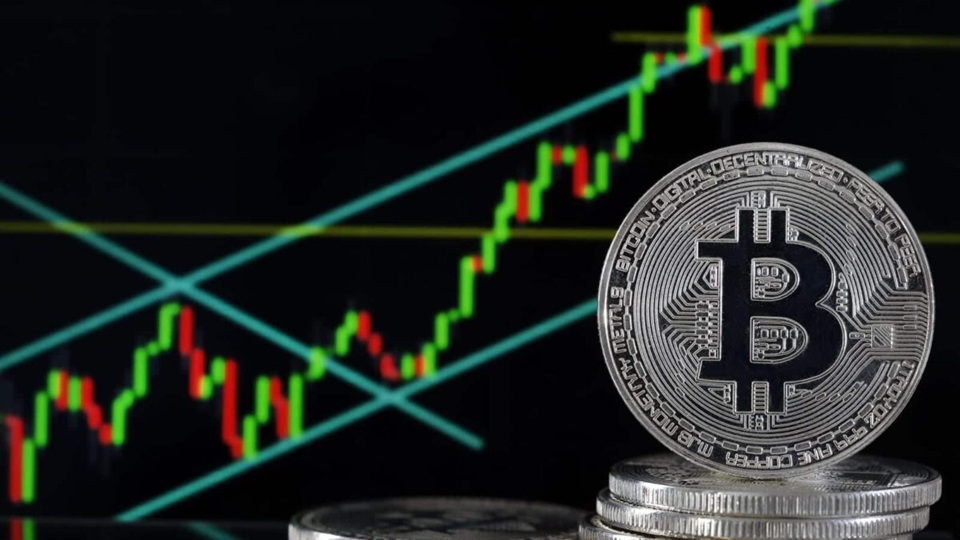
When investors, traders, or even casual observers discuss Bitcoin, the conversation almost always circles back to one number: the bitcoin price USD. Whether someone lives in Singapore, Paris, or Buenos Aires, the value in U.S. dollars is what people check first.
This isn’t simply habit. The U.S. dollar has acted as the measuring stick for global trade for decades, from crude oil to gold. Bitcoin, now positioned as a digital store of value, has slipped naturally into that same framework. Even if you’re buying Bitcoin with pesos or euros, your returns are usually compared to the dollar benchmark.
Where Bitcoin Stands Today (August 27, 2025)
Bitcoin has entered a steady phase above six figures. This week’s numbers show the currency consolidating between $111,000 and $112,000 USD across most exchanges:
- Bitget: ≈ $111,420
- CoinMarketCap: ≈ $111,670
- CoinGecko: ≈ $111,580
- Binance: ≈ $111,500
Differences across platforms might seem small, but at scale they matter. Arbitrage traders routinely exploit these micro-gaps, while large institutions moving whole coins factor in spreads carefully.
Why Investors Still Anchor to USD
So why, in a borderless digital asset, does the dollar still dominate?
Three reasons explain it:
Clarity across borders – Using one yardstick allows global comparison without confusion.
Psychological thresholds – Headlines like “Bitcoin breaks $100,000 USD” carry universal weight.
Liquidity concentration – Most volume still flows through USD and dollar-pegged stablecoins, making the dollar the central trading hub.
The result? Even Bitcoin investors who never touch U.S. dollars are effectively benchmarking their wealth in them.
The Dollar Lens on Bitcoin’s Price Drivers
Several forces shape how Bitcoin is valued against the dollar in 2025:
Supply cuts through halving – Scheduled for 2026, the next halving will slash block rewards to 3.125 BTC. Fewer coins hitting the market tends to push the USD price higher.
Institutional inflows – U.S.-listed Bitcoin ETFs, launched in 2024, continue attracting pension funds and asset managers. Their investments are measured—and reported—in dollars.
American economic shifts – Interest rates, inflation reports, and the dollar’s global strength ripple straight into Bitcoin’s valuation.
Market psychology – From bullish TikTok trends to sudden panic selloffs, the narratives that drive volatility always express themselves in dollar terms.
Bitcoin’s Journey in U.S. Dollars
Bitcoin’s story is best told in milestones marked against the dollar:
2010: Below $1 USD.
2013: Breaks the $1,000 level.
2017: Peaks at $20,000 during the ICO rush.
2021: Nearly $69,000 before correction.
2024: Cracks the six-figure mark for the first time.
2025: Holds steady above $110,000—a sign of greater maturity.
Each level in dollars didn’t just shift the market; it expanded Bitcoin’s reputation as a credible, global asset.
Tracking Bitcoin in Dollar Terms
Investors in 2025 have more tools than ever to monitor the bitcoin price USD:
Exchanges like Bitget and Coinbase provide real-time dollar charts.
Aggregators including CoinMarketCap blend data from multiple markets for accuracy.
Apps with alerts let traders track breakouts at levels like $115,000 or $120,000.
USD price histories highlight Bitcoin’s cyclical patterns more clearly than most local currencies.
Dollar-Based Investment Strategies
Because the dollar acts as the measuring stick, most strategies use USD as their anchor:
Dollar-Cost Averaging (DCA): Invest the same amount of USD on a schedule to reduce volatility’s impact.
Swing trading: Time short-term entries and exits based on dollar chart patterns.
ETF exposure: U.S. Bitcoin ETFs allow investors to hold BTC exposure in retirement portfolios—fully priced in USD.
Tax reporting: For American investors, every gain or loss must be reported to the IRS in dollar terms.
What Could Push Bitcoin Higher in USD?
Looking forward, several factors may shape the next leg of Bitcoin’s journey:
The 2026 halving tightening supply.
ETF expansion, bringing new pools of institutional capital.
Potential U.S. inflation or dollar weakness, driving investors toward Bitcoin as a hedge.
Corporate and government adoption, further embedding Bitcoin into dollar-dominated financial systems.
Risks That Haven’t Disappeared
Even with its maturity, Bitcoin still carries risk:
Multi-thousand-dollar swings in a single day remain common.
Regulatory tightening in the U.S. could cool demand.
Exchange failures or hacks still pose a threat to dollar-denominated holdings.
Market sentiment can flip rapidly from bullish to fearful, exaggerating price moves.
Final Word: The Bitcoin Price USD Will Remain the Benchmark
Bitcoin has become more than a speculative play—it’s a recognized part of the financial system. But no matter where you live, the bitcoin price USD remains the number that matters most. It’s the figure broadcast on financial networks, the measure institutions trade against, and the milestone that shapes public perception.
At over $111,000 in 2025, Bitcoin’s dollar story shows just how far the asset has come. For investors, tracking its USD value isn’t just about curiosity—it’s about strategy, risk management, and recognizing Bitcoin’s evolving role as digital gold in a world still anchored to the U.S. dollar.