

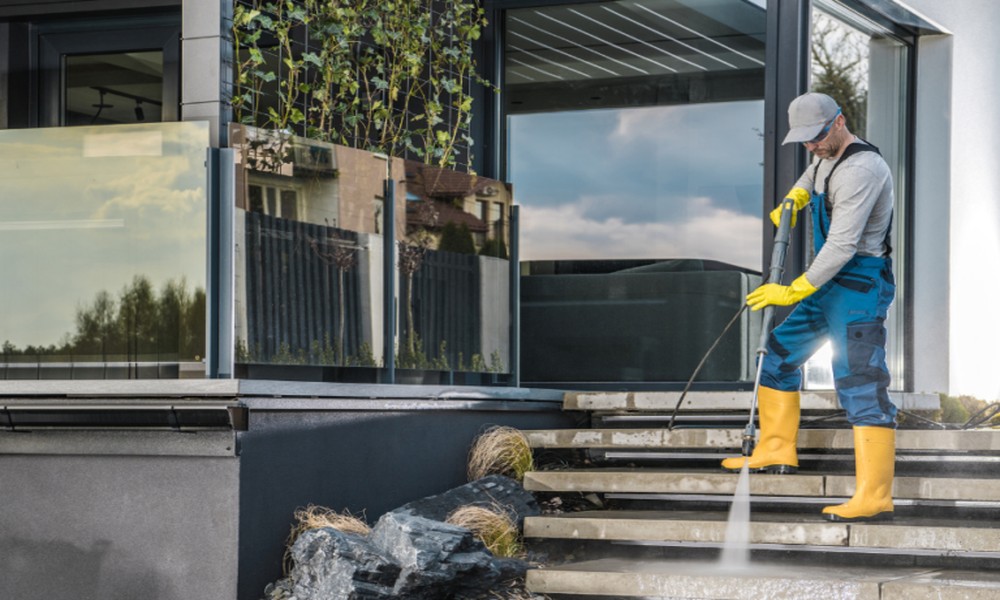
A sparkling clean home exterior is a point of pride, but careless pressure washing can turn that dream into a nightmare. Homeowners are often surprised by just how easy it is to cause permanent damage with the wrong tools, chemicals, or techniques. Understanding the most common mistakes, and how to avoid them, will help you protect your property, your landscaping, and your peace of mind.
Pressure Washing Will Damage Your Home’s Exterior , Not Always True
The myth persists: pressure washing always destroys siding, paint, and walkways. The reality is more nuanced. Damage usually comes from using the wrong type of pressure or technique for the surface you are cleaning.
Why High Pressure Can Be Harmful
Caked-on grime might make you want to blast everything with maximum force, but high pressure can gouge wood, strip paint, and force water behind siding. This moisture intrusion can lead to rot, mold, and expensive repairs. Fragile surfaces like stucco, cedar, or older paint are especially vulnerable.
The Role of Soft Washing and Low-Pressure Techniques
Soft washing relies on detergents and low-pressure water to gently loosen and lift dirt, mold, and algae. This method is safer for siding, fences, and painted surfaces. The right blend of cleaning solution and technique can make all the difference, especially in rainy climates where moss and algae thrive.
When to Choose Soft Washing Over High Pressure
If you are cleaning roofs, painted siding, or delicate fencing, opt for soft washing or a low-pressure rinse. Reserve high pressure only for durable surfaces like certain types of concrete, and even then, moderation is key.
You Don’t Need to Protect Plants and Landscaping , A Costly Oversight
Too many DIY enthusiasts forget about the life growing around their home. Pressure washing runoff often contains detergents and debris that can damage flower beds, shrubbery, or lawns.
How Chemicals and Runoff Affect Garden Health
Harsh cleaning solutions can burn leaves, contaminate soil, and disrupt beneficial microorganisms. Even biodegradable soaps, if concentrated, may shock delicate plants. Over time, this leads to wilting, discoloration, or patches of dead foliage.
Best Practices for Protecting Your Property’s Exterior Ecosystem
Cover vulnerable plants with tarps or plastic, and thoroughly soak the soil around them with water before and after washing. Use landscaping-friendly cleaning solutions whenever possible. Cutting corners here means risking more than just the look of your garden.
Pressure Washing Roofs Is Safe with Any Equipment , A Dangerous Myth
A pressure washer in the wrong hands can destroy a roof faster than a winter storm. Roofs are a prime target for moss, algae, and lichen, but the way you clean them matters.
Why Roofs Require Specialized Care
Roof shingles are designed to shed water, not to withstand a high-pressure assault. The granules on asphalt shingles, for example, are easily dislodged, reducing the roof’s lifespan and leaving it vulnerable to leaks.
The Risks of Using High Pressure on Roof Shingles
Blasting away at roof moss with full power feels satisfying, but it tears up shingle surfaces and can force water into your attic or underlayment. This paves the way for rot and mold problems that can remain hidden for years.
How Soft Washing Extends Roof Life
Professional services use soft washing, a blend of low-pressure water and detergents, to treat organic growth. The moss dies off and naturally weathers away, preserving the integrity of the roof. Companies like Zachs Pressure Washing Olympia rely on this approach to safely extend the life of Pacific Northwest roofs, offering guarantees that moss won’t return for years.
All Stains and Growths Respond the Same to Pressure Washing
Not every mess can be blasted away with a single setting. Moss, algae, lichen, and general dirt each demand a different cleaning strategy.
Differences Between Moss, Algae, Lichen, and Dirt
Moss forms thick mats and holds water, while algae creates slippery, green films. Lichen is stubborn, bonding tightly to surfaces, and dirt often acts as a shield for organic growth. Using the wrong soap or pressure can leave one contaminant behind while removing another.
Tailoring Cleaning Solutions for Each Contaminant
A thoughtful approach targets each type of growth with a specific blend of detergent and technique. This ensures a truly clean result without unnecessary wear and tear.
DIY Pressure Washing Saves Money Without Risks , Think Again
Renting a machine and tackling your own home might seem like a good way to save. However, untrained hands often turn a simple wash into a costly repair job.
Common DIY Mistakes That Cause Damage
Typical errors include using too much pressure, choosing the wrong nozzle, or failing to protect electrical components and landscaping. Overlap marks, etching on concrete, and paint stripping are common sights after a DIY gone wrong.
When to Call Professionals for Power Washing Services
If you’re unsure about the right approach, materials, or chemicals, it’s safer to consult experienced professionals. Experts can assess your unique situation and avoid the pitfalls that catch most homeowners off guard.
More Pressure Means Cleaner Surfaces , Not Necessarily
More force isn’t always better. High pressure often leads to surface erosion, especially on patios, old concrete, and decks. Over time, this can create rough patches, pitting, and an overall rundown appearance.
How Excessive Pressure Can Erode Surfaces
Decks become splintered, concrete develops grooves, and paint peels away. The damage isn’t always obvious until moisture starts to seep in or surfaces become visibly scarred.
The Importance of Using the Right Detergents and Techniques
Cleansers designed for specific surfaces can lift stains gently, reducing the need for brute force. The right combination of soap, dwell time, and gentle agitation will protect your investment.
Gutter Cleaning Isn’t Part of Power Washing , Why It Should Be
Neglecting gutters while washing your home misses a critical piece of the maintenance puzzle.
Preventing Water Damage Through Regular Gutter Maintenance
Clogged gutters lead to overflow, which in turn causes water damage to siding, foundations, and landscaping. Regular cleaning prevents mold, rot, and expensive repairs.
Integrating Gutter Cleaning with Exterior Washing Services
Many reputable power washing companies include gutter cleaning for a reason. A comprehensive approach means your entire exterior, not just the most visible parts, stays protected and functional.
Pressure washing can work wonders, but only if done with care and expertise. Avoiding common mistakes will keep your home looking sharp while preserving its value for years to come.