

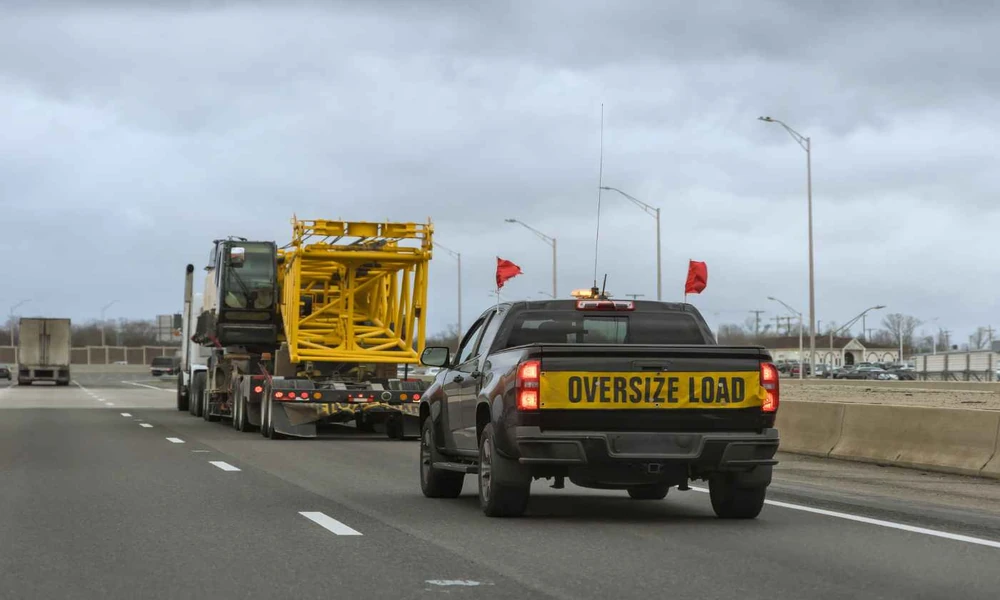
Time represents money in the trucking industry more literally than in most businesses. Every hour a loaded truck sits waiting for paperwork translates directly into lost revenue, missed delivery windows, frustrated customers and drivers earning nothing while they wait. Oversized and overweight loads require permits that can become bottlenecks when filing processes drag on, or applications face rejection for preventable errors. Speeding up permit approvals does more than improve convenience. It protects profit margins that are steadily eroding.
Understanding how faster permits translate into financial benefits helps fleet managers recognize the value of efficient filing processes.
Reducing Driver Downtime
Drivers waiting for permits cannot generate revenue. Their trucks sit idle at staging locations or pickup points while hours pass and schedules slip. The daily operating costs of commercial trucks continue accumulating whether wheels are turning or not. Insurance, loan payments, maintenance reserves and driver compensation all drain accounts regardless of productive activity.
Same-day filing for single-state moves eliminates the overnight waits that previously seemed unavoidable. Multi-state permits arriving within predictable windows allow dispatch to plan confidently rather than guessing when trucks can move.
The compound effect of reduced downtime across multiple loads and drivers produces savings that far exceed the cost of efficient permit services. What seems like small delays on individual shipments become substantial lost revenue when multiplied across annual operations.
Preventing Costly Rejections
Permit applications rejected for errors create cascading delays that compound initial problems. The original filing time disappears, corrections require additional hours, and resubmission restarts the approval clock. Meanwhile, drivers continue waiting and customers grow increasingly frustrated.
Common rejection causes include incorrect axle spacing measurements, inaccurate gross weight figures, improper route specifications and missed travel window requirements. Each error type is preventable through proper verification before submission.
Choosing trusted companies like Highway Permits ensures experienced agents verify axle spacing, gross weights, bridge limits and route restrictions before filing applications. This verification reduces rejections and the costly reweighs that follow when loads reach scale houses with permit discrepancies.
Optimizing Route Planning
Efficient permit processes include route analysis that identifies potential problems before trucks encounter them. Bridge restrictions, construction zones, travel window limitations and local ordinances all affect whether particular routes work for specific loads.
Discovering a bridge limitation after a truck has traveled hundreds of miles creates expensive detours and potential permit violations. Learning about holiday travel restrictions after scheduling a move wastes the original permit entirely.
Proactive route checking flags these issues during the permit process when adjustments cost nothing beyond minor planning time. The alternative involves delays, detours and potential fines that accumulate far greater expenses.
Coordinating Escort Requirements
Loads requiring certified escorts face additional complexity that poor coordination transforms into expensive confusion. Escort vehicles must be arranged, staging locations must be communicated, and timing must align with permit validity windows.
Permit services that handle escort coordination as part of their process eliminate the separate phone calls and arrangements that fleet managers would otherwise manage themselves. The time recovered allows attention to other operational priorities while ensuring escort requirements receive proper handling.
Missed escort coordination can strand loads at pickup locations while drivers and customers wait for arrangements that should have been completed beforehand.
Enabling Confident Scheduling
Dispatch operations function best when permit timing becomes predictable rather than uncertain. Clear estimated arrival times for permit approvals allow scheduling that works forward from realistic expectations rather than hopeful guesses.
Fleets recover hours that would otherwise go to paperwork and phone calls when permit services provide single points of contact who communicate clearly until permits are issued. This predictability allows dispatch to commit to pickup and delivery windows with confidence that permit delays will not undermine promises.
The ability to plan confidently produces customer satisfaction that generates repeat business and referrals. Unreliable permit timing creates the opposite effect, damaging relationships that took years to build.
Maximizing Equipment Utilization
Trucks represent capital investments that only return value when moving freight. Every day of unnecessary downtime reduces the annual revenue each unit can generate while fixed costs continue regardless.
Fast permit processing maximizes the productive days available from each truck in the fleet. The mathematics favor efficiency investments that keep equipment moving over savings from cheaper services that produce longer delays.
Fleet managers who calculate the true cost of idle trucks quickly recognize that permit processing speed affects profitability more significantly than the service fees involved. The difference between same-day filing and multi-day waits compounds across every load requiring permits throughout the year.
Saturday availability extends productive scheduling into weekends when many permit services close entirely. Loads that would otherwise wait until Monday can move promptly when weekend filing remains possible.