

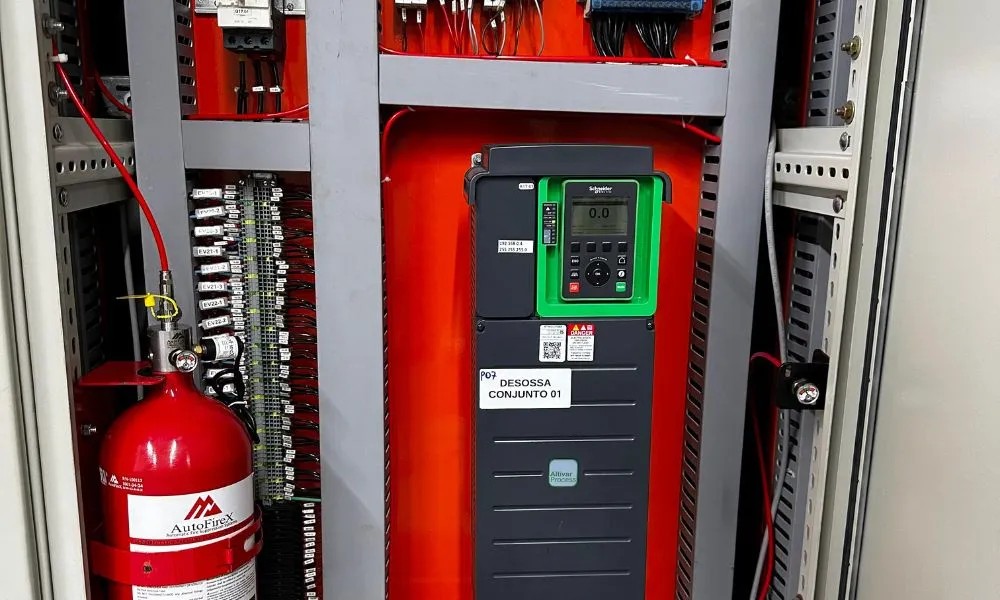
Busy buildings create enough distractions for emergency systems to become almost invisible after a while. Employees focus on schedules, deliveries arrive throughout the day, customers move through entrances, and equipment continues running without interruption for hours at a time. People naturally assume alarms and detectors will work properly if something serious ever happens. After hearing stories involving smoke damage or electrical problems spreading faster than expected, many property owners begin checking pace protections because emergency preparation suddenly feels much more important once normal business activity gets interrupted unexpectedly.
Loud Work Environments Need Stronger Alerts
Certain commercial properties stay noisy from morning until closing time. Machinery operates constantly, conversations overlap between offices, and loading areas remain active for long periods during the day.
That environment sometimes makes emergency warnings harder to recognize immediately. Delayed reactions may create additional confusion once employees stop understanding whether alarms signal danger or temporary testing.
Clear alarm coverage helps people respond faster before stressful situations spread farther through the building.
Daily Operations Often Push Safety Lower
Emergency systems continue sitting overhead quietly, making everything appear dependable enough for another few months.Smaller warning signs may continue unnoticed because normal operations still seem completely stable. Weak alarm sounds, damaged batteries, or inconsistent detector responses rarely attract attention during busy workweeks.
Building Layouts Affect Emergency Response
Employees located farther away from exits may depend heavily on alarm systems once confusion starts spreading nearby.
While researching pace protections many property owners gradually realize fire alarm installation involves reliable communication and long-term safety planning rather than simply mounting equipment around the building once.
Older Systems Quietly Become Less Reliable
Emergency systems weaken gradually over time even while everything still appears functional from the outside. Dust buildup, worn sensors, outdated panels, or aging electrical parts sometimes continue unnoticed for years.
Routine inspections help identify hidden concerns before emergencies expose them unexpectedly. Smaller equipment issues often appear long before larger failures actually happen.
Reliable maintenance usually matters just as much as the original installation itself.
Fast Alerts Help Reduce Panic
People react differently once alarms suddenly interrupt normal routines. Certain employees move immediately while others stop completely waiting for instructions before doing anything at all.
Clear warnings help reduce hesitation because people receive faster direction during stressful moments.
FAQ’S
- Why are fire alarm systems important for businesses?
They help warn employees and visitors quickly during emergencies.
- Can alarm systems weaken over time?
Yes. Older equipment may lose reliability without regular maintenance.
- Why should businesses inspect alarms regularly?
Inspections help identify hidden problems before emergencies happen.
Publicinfrequently notice emergency backup systems during ordinary workdays anyway, though once smoke, darkness, or confusion suddenly interrupts a busy building, everyone immediately depends on those alarms responding without delay.