

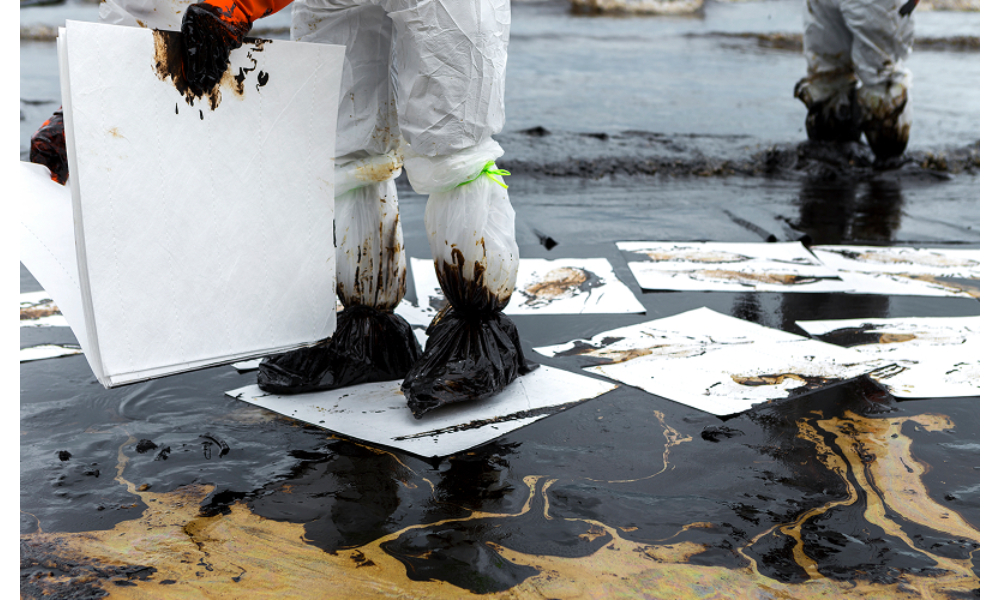
When a chemical spill happens, hesitation can be as dangerous as the spill itself. Whether it’s a few drops of corrosive acid in a lab or a full container leak in a warehouse, the difference between safety and disaster lies in preparation and knowing what to do next. That’s where a chemical spill kit is an emergency supply and a first-response system designed to contain, neutralise, and clean hazardous substances quickly. And yet, while many workplaces have them, few truly know how to use them effectively.
Smart Moves When a Spill Strikes
The best way to manage an emergency is to plan for it. Here’s what should happen when a spill occurs and how a chemical spill kit becomes your best ally:
First, assess the situation safely. Before taking action, identify the spilt chemical. Knowing whether it’s corrosive, flammable, or toxic determines your next steps and the type of absorbent pads for chemical spills you’ll need. Never rush in blindly without proper protection.
Second, use personal protective equipment (PPE) immediately. Most spill kits include gloves, goggles, and coveralls. These are your first layer of defence against chemical burns or inhalation.
Third, contain the spill before it spreads. Using absorbent socks or mats from your chemical spill kit, create a barrier around the affected area. For smaller spills, absorbent pads for chemical spills are ideal for soaking up liquids without leaving residue. Quick containment prevents further hazards and protects other employees from exposure.
Fourth, neutralise if safe and applicable. Some kits include neutralisers for acids or bases, but this step should only be done if you’ve been trained. Otherwise, wait for qualified personnel.
Finally, clean thoroughly and dispose properly. Once the spill is absorbed, seal contaminated materials in designated disposal bags. Improper disposal can lead to secondary contamination.
Common Mistakes to Avoid
Understanding what not to do during a spill is as important as knowing what to do. The biggest mistake? Underestimating the hazard. A small puddle of chemical residue might seem harmless. But without knowing its composition, you could be exposing yourself to toxic fumes or corrosive agents.
Another don’t: Never use the wrong absorbents. Paper towels or rags can disintegrate, spread contamination, or even react with certain chemicals. That’s why absorbent pads for chemical spills are specifically engineered to handle hazardous liquids without causing reactions or leaving traces behind.
Also, don’t mix chemicals to neutralise them. Combining unknown substances can trigger dangerous reactions or explosions. If neutralisers are not part of your chemical spill kit, it’s safer to focus on containment and await assistance.
And perhaps most overlooked: don’t skip documentation. Every chemical spill, no matter how small, should be reported and logged. This ensures transparency, identifies recurring hazards, and allows safety officers to update risk assessments or training protocols accordingly.
Situations That Depend on Context
Between the absolutes of right and wrong lie the maybes that depend on the situation, type of chemical, and training level of responders. For instance, should you evacuate immediately? Maybe. For large spills, airborne toxins, or flammable materials, evacuation is essential. But for contained, non-volatile chemicals, a small, trained response team can often manage the cleanup using a chemical spill kit safely.
Should you use ventilation or fans to clear fumes? Again, maybe. While ventilation helps disperse harmless vapours, it can also spread toxic or flammable gases. It’s better to rely on trained responders with appropriate detection equipment.
Another “maybe” concerns reusing certain spill kit components. Some non-absorbent tools, like tongs or scoops, can be safely reused after decontamination. Keeping your kit fully stocked ensures readiness for the next incident.
Preparation Is Everything
The truth is, the best spill response begins long before a spill ever happens. Proper training, equipment placement, and inspection routines make a massive difference when seconds matter.
Workplaces that store or handle chemicals should conduct regular drills simulating real spill scenarios. These drills familiarise staff with kit locations, response procedures, and communication protocols.
Additionally, inspect and restock kits regularly. Replace used or expired items and ensure PPE fits properly. Keeping your kit inspection-ready aligns with that standard and protects both people and property.
Respond Smarter, Safer, and Faster
When chemicals spill, panic should never take the lead. Preparedness, proper equipment, and clear procedures transform a potential disaster into a controlled response. Knowing the do’s keeps you effective, the don’ts keep you safe, and the maybes keep you flexible. A chemical spill kit is a compliance item and a symbol of responsibility and foresight. And those bright yellow absorbent pads for chemical spills? They’re your frontline defence against chaos. So, keep your kits stocked, your teams trained, and your reflexes sharp. The best response is always the one that’s ready before the spill happens.
Visit SafetySam today and equip your workspace to keep safety one step ahead of risk tomorrow.