

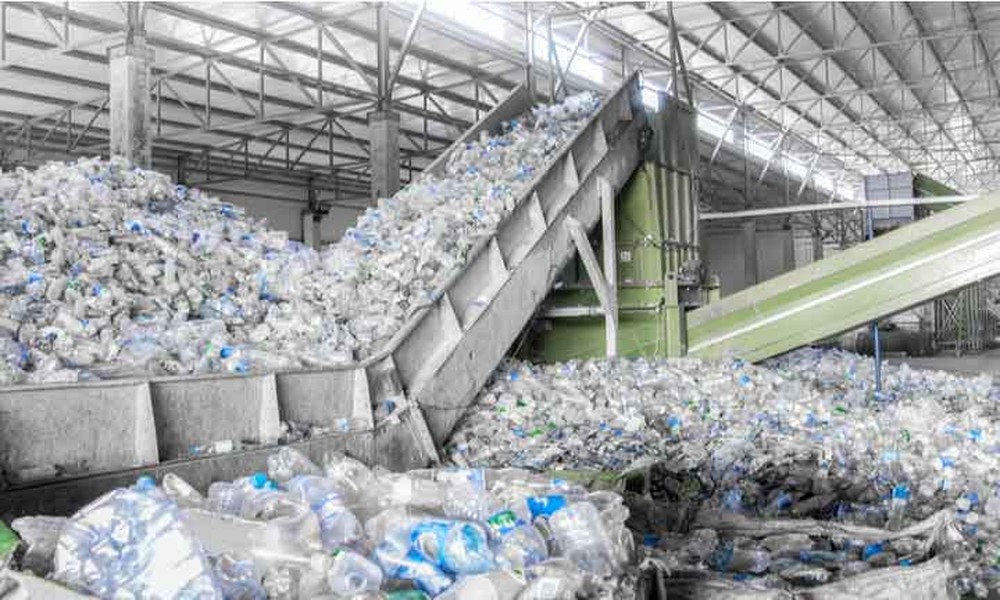
Plastic recycling in Singapore sits at the intersection of environmental urgency and practical necessity, making it one of the most important sustainability challenges the nation faces as it works toward its long-term zero-waste goals. Singapore generates over 900,000 tonnes of plastic waste annually, yet the domestic plastic recycling rate remains modest compared to other waste streams – a gap that presents both a challenge and a significant opportunity for businesses and individuals willing to act.
Understanding Singapore’s Plastic Waste Problem
Singapore’s approach to waste has long relied on incineration, which efficiently reduces waste volume but does not recover the material value locked within plastic goods. Incinerated plastic is gone – its carbon content released into the atmosphere and the embodied energy of its manufacture wasted.
The circular economy model that Singapore is now actively pursuing through its Zero Waste Masterplan seeks to change this. Rather than treating plastic as a disposable commodity, the aim is to recover plastic material at the end of its first use and reintroduce it into manufacturing supply chains. This is the promise of plastic recycling Singapore services – capturing value that would otherwise be lost.
What Types of Plastic Can Be Recycled
Not all plastics are created equal when it comes to recyclability. Singapore’s domestic recycling system collects a range of common plastic types, but industrial and commercial recycling services can handle a broader range with proper sorting. The main categories include:
- PET (Type 1): Beverage bottles and food packaging – among the most widely recycled plastics
- HDPE (Type 2): Milk bottles, detergent containers, and piping – strong market demand from recyclers
- PVC (Type 3): Pipes, window frames, and some packaging – requires specialist recyclers
- LDPE (Type 4): Plastic bags and film packaging – collected through specific take-back programmes
- PP (Type 5): Food containers, bottle caps, and automotive components – growing recycling infrastructure
- PS (Type 6): Foam packaging and cutlery – challenging to recycle domestically
- Other (Type 7): Mixed or layered plastics – generally the most difficult to recycle
Understanding which types your business or household generates is the starting point for an effective plastic waste management strategy.
The Role of Businesses in Singapore’s Recycling Goals
Individual households contribute to plastic recycling through blue bins and take-back programmes, but the volume generated by commercial and industrial operations is far greater. Factories, logistics operations, retailers, and hospitality businesses generate significant quantities of plastic packaging, wrapping film, and production waste that requires a dedicated collection and recycling solution.
For these organisations, partnering with a plastic recycling Singapore service provider offers several tangible benefits:
- Reduction in general waste disposal costs through diverting recyclable materials from landfill surcharge streams
- Compliance support as Singapore’s regulatory environment around waste management tightens
- Progress toward corporate sustainability targets and ESG reporting requirements
- Potential revenue from high-value recyclable materials such as clean industrial PE film
How Industrial Plastic Recycling Works
The industrial plastic recycling process in Singapore typically involves several stages:
Collection: Scheduled pickup from commercial and industrial premises or drop-off at designated facilities.
Sorting: Manual and mechanical separation of plastic by resin type, colour, and form to create clean, consistent feedstock.
Processing: Shredding, granulating, or baling the sorted plastic to create a form suitable for remanufacturing.
Offtake: Processed material is sold to manufacturers who use recycled plastic as a raw material input, replacing virgin plastic in new products.
The quality of sorting at the collection stage is the critical variable that determines how much of the collected material can be recycled versus what must be rejected and sent to incineration.
As Minister for Sustainability and the Environment Grace Fu has stated, “Singapore is committed to becoming a zero-waste nation, and every business and individual has a role to play in making that vision a reality.” That commitment creates both a regulatory imperative and a market opportunity for organisations that take plastic recycling seriously.
Challenges Facing Plastic Recycling in Singapore
Despite genuine progress, several challenges limit the scale and effectiveness of Singapore plastic recycling efforts:
- Contamination: Plastic that is soiled with food residue or mixed with non-recyclable materials is typically rejected by recyclers, reducing the overall recovery rate
- Market volatility: The price of recycled plastic is linked to global commodity markets and can fluctuate significantly, affecting the economics of recycling operations
- Limited end-market depth: Singapore has limited domestic manufacturing capacity to absorb recycled plastic, creating dependence on export markets that can be disrupted
- Consumer and business awareness: Many generators of plastic waste are still not aware of what can and cannot be recycled, or how to present materials for collection
Addressing these challenges requires coordinated action from government, industry, and recycling service providers.
Setting Up an Effective Plastic Recycling Programme
For businesses looking to implement a meaningful plastic recycling programme, a few key steps set the foundation for success:
- Conduct a waste audit to understand the types and volumes of plastic being generated
- Segregate plastic from general waste at the point of generation to minimise contamination
- Engage a licensed recycling service provider to establish a regular collection schedule
- Train staff on proper segregation procedures and the importance of clean materials
- Track and report on recycling volumes as part of your organisation’s sustainability reporting
With a systematic approach, even relatively small businesses can divert meaningful volumes of plastic from incineration and contribute to Singapore’s circular economy ambitions.
The role of plastic waste recovery services in achieving Singapore’s sustainability goals is only going to grow in importance as regulatory requirements tighten and consumer expectations of business responsibility continue to rise.